

Flyers
Flyers are a quick, economical way to get an offer, event or announcement into people’s hands. We print short-run digital flyers in Durban for businesses that need clean colour, tidy trimming and dependable turnaround.
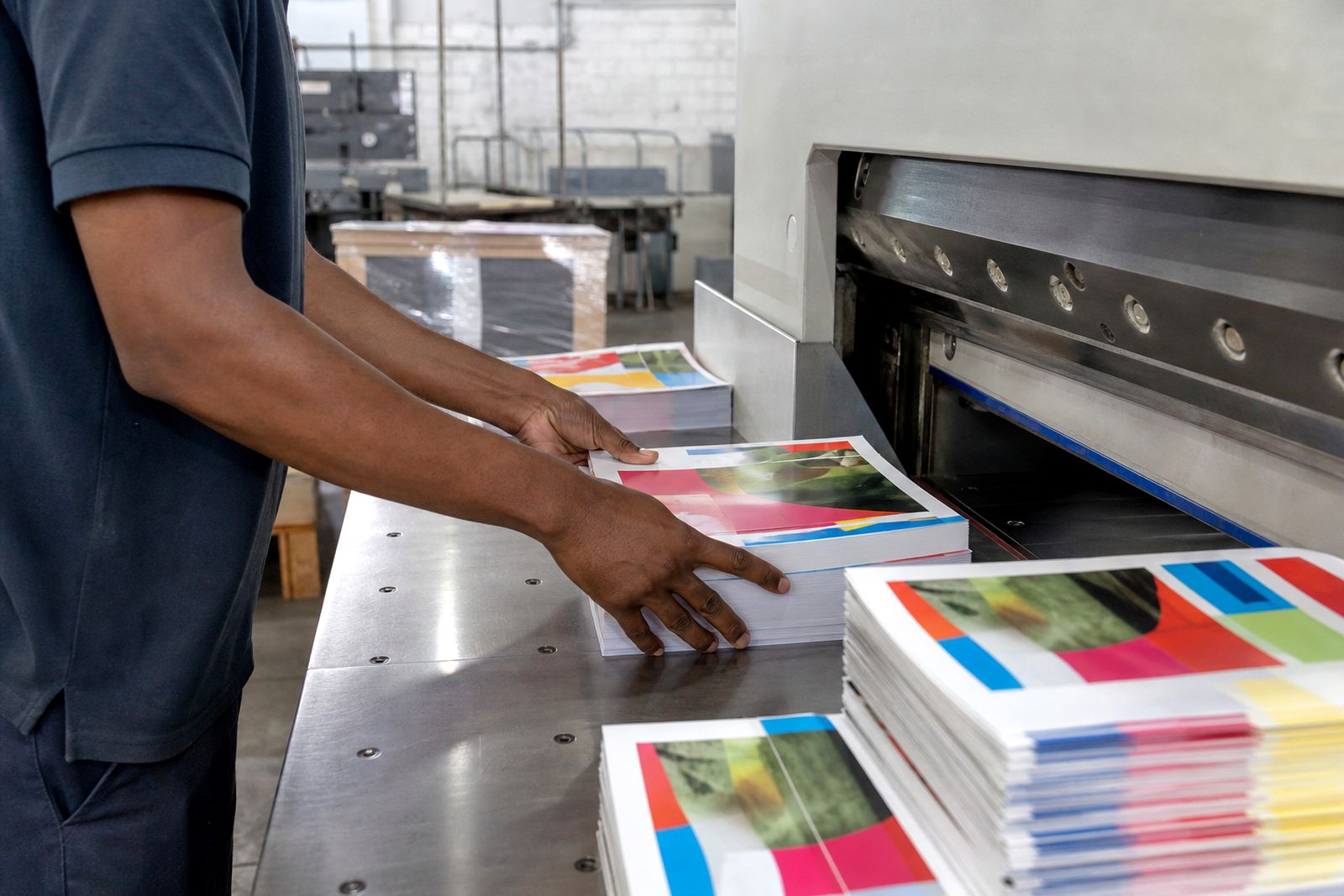
What Flyer Printing Covers
Flyers are single-sheet promotional prints used for specials, launches, event notices, product handouts and local area campaigns. They suit short to medium quantities where you want fast production, steady colour and the option to update artwork regularly without the setup normally linked to longer litho work.
For many Durban businesses, flyers are used at shop counters, trade counters, reception points, school events, church fairs, estate show days and direct hand distribution. They also work well as box inserts, bag drops and statement inserts. Because digital printing handles version changes easily, we can help with small wording updates, area-specific contact details or a revised offer date from one run to the next.
If your job needs a very high quantity or a wide format poster size, a different print route may be more suitable. For standard promotional handouts though, flyers remain one of the most practical print pieces around.
Sizes, Paper Choices and Working Limits
Most flyer jobs are printed at A6, A5, A4 and DL size. Square or custom trimmed sizes can also be produced if the layout is planned properly and enough bleed is supplied. We usually recommend keeping to common sizes when the flyer will be inserted into folders, handed out in-store or packed with other printed material.
Paper choice affects both feel and function. Lighter stocks are useful for mass handouts and inserts, while heavier stocks give a more premium feel for boutique retail, menus or appointment reminders. Gloss coated stocks can make colour pop, while matt or silk surfaces are often easier to read under strong office lighting. Uncoated stock is a good option for flyers that need writing space.
- Common sizes: A6, DL, A5 and A4.
- Usual print format: single-sided or double-sided full colour.
- Typical stocks: light coated, medium coated, heavier coated or uncoated paper.
- Custom trims available when artwork includes proper bleed and safe margins.
Working limits do apply. Very large solid areas, especially dark backgrounds, can show slight variation between sheets. Very fine type reversed out of colour may not hold well on small flyer sizes. If your design uses tiny legal copy or dense rate tables, a larger size or different layout may be needed. We will flag this before print where possible.
Where Flyers Work Best, and Where They Do Not
Flyers work best when the message is short, the offer is clear and the response window is immediate. They are ideal for weekend promotions, opening specials, local service launches, short-term retail offers and event reminders. Agencies and design studios also use them for campaign support where a quick reprint may be needed after client approval.
- Good for event promotion, seasonal specials, menu drops and in-store handouts.
- Useful for estate agents, schools, restaurants, salons, medical rooms and service trades.
- Suitable for runs where artwork may change often.
They are less suitable when you need a long shelf life, extensive product detail or a formal corporate presentation. In those cases a brochure, booklet or folded piece may carry the message better. Flyers are also not the best choice for outdoor posting in damp conditions unless they are packed and distributed quickly. Durban humidity can soften paper if packs are left open in a storeroom for too long, so timing matters a bit here.
If you are unsure whether a flyer or another format suits the campaign, send the purpose and quantity through the enquiry form and we can guide you to the most practical option.
Artwork Setup and File Supply
Clean file setup saves delays at proof stage. Supply artwork as a print-ready PDF with fonts embedded, images at suitable resolution and all linked content included before export. If the flyer trims to the edge, include bleed on all sides and keep important text safely in from the trim line. This helps avoid text sitting too close after guillotining.
For strong colour consistency, build artwork in CMYK rather than RGB. Bright screen colours can shift in print, especially neon-like blues and greens. Black backgrounds need extra care, and fine white type over dark tones should be checked for size and weight before approval.
- Add bleed if colour or images run to the edge.
- Keep logos and body copy inside a safe margin.
- Use high-resolution images, not images lifted from messaging apps or social posts.
- Name files clearly if there are multiple versions or area changes.
If your team needs help checking basics before upload, use the guidance in our print information section and then send files through the website form. Where needed, a proof can be supplied for sign-off before production starts.
Handling, Packing and Practical Site Needs
Flyers do not need site installation, but they do need sensible handling after delivery or collection. Packs should be kept flat, dry and away from direct sun, steam and damp floors. This is especially important in coastal conditions where paper can absorb moisture if left in an open loading bay or storeroom overnight.
If the flyers are for a handout team, tell us how they will be used. Small bundled quantities can make field distribution easier, while larger boxed quantities may suit a central point. For inserts, it helps to know whether the flyer is going into envelopes, folders, bags or statement runs because this can affect size, grain direction and stock choice.
Where power cuts affect your office, it is also worth planning proof approvals early so the job does not sit waiting for a final go-ahead. A quick response on proofs often makes the difference when a promotion date is fixed and cannot move.
What to Tell Us When You Enquire
The fastest way to quote accurately is to send the main job details at the start. That lets us check whether digital printing is the right route and whether the selected stock and size will match the use. If you already have artwork, mention whether it is ready to print or still being amended.
- Finished size, such as A5, A4 or DL.
- Single-sided or double-sided printing.
- Estimated quantity required.
- Paper preference, if known, or whether you want a recommendation.
- Deadline, event date or drop date.
- Whether the flyers are for handouts, inserts, counter use or local distribution.
- Any folding, numbering or special packing needed.
If colour matching is important, say so up front and note any critical brand colours or reference pieces. If there are multiple area versions, list them clearly so we can plan the run properly. Use the enquiry form on our contact page to send the details, and include your files if they are ready. We will come back with the practical print route and a quote.
What our Commercial Printing customers say
Verified Google reviews
Questions we get asked
What flyer size should I choose?
A6 works well for simple offers and handouts, A5 is the common all-round choice, DL suits price-led promotions and statement inserts, and A4 gives more room for menus, maps or service lists.
Can you print a small quantity quickly?
Yes. Digital printing suits short runs and repeat jobs where artwork changes often. Send the size, quantity, print sides and deadline through the enquiry form so we can confirm timing.
Do flyers need lamination?
Usually no. Most flyers are produced without lamination to keep them economical and easy to distribute. If the piece needs extra stiffness or better handling life, ask us to suggest a suitable stock or finish.
Also worth a look
Ask for a quote
Send a note through the contact form with your print job, quantity, size, finish and delivery area, and the team will reply with a quote.
Open the contact form